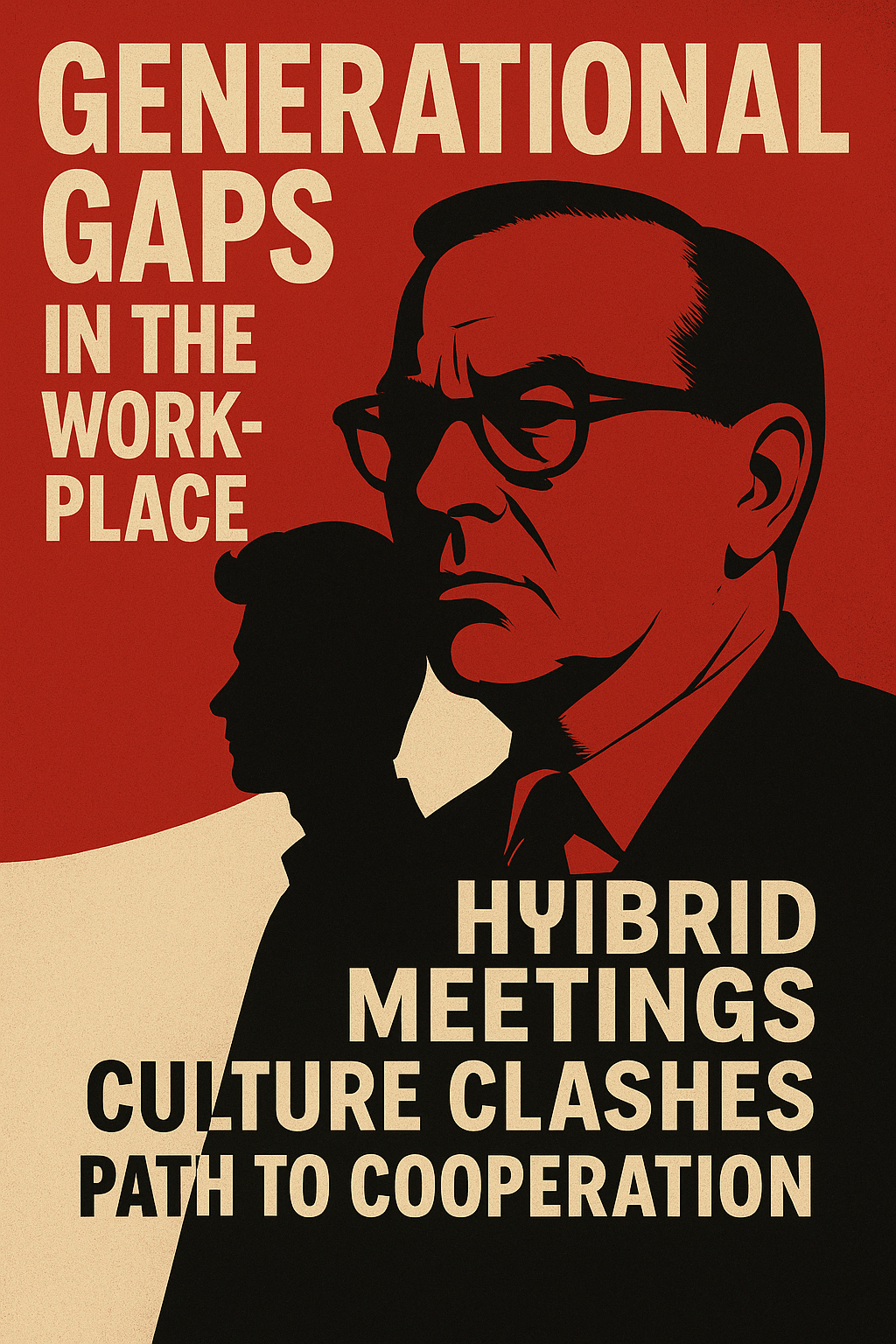
Introduction
The COVID-19 pandemic brought unprecedented changes to how we work. Overnight, remote meetings and digital tools replaced traditional face-to-face gatherings. As the pandemic gradually shifted into an endemic stage, many companies attempted to return to office-based operations. However, the landscape of corporate culture had already changed. Younger generations, accustomed to video calls, instant messaging, and flexible work arrangements, found digital communication more efficient, while older generations struggled to adjust, preferring traditional in-person meetings.
This divergence has created generational gaps that are increasingly visible in Korean workplaces. A recent survey sheds light on how these differences manifest, the conflicts they create, and how companies can navigate them moving forward.
---
Survey Findings
A global communication survey conducted with 7,689 participants across 10 countries revealed fascinating results:
United States: 64% prefer hybrid meetings.
United Kingdom: 65%
Germany: 67%
France: 52%
Japan: 69%
Singapore: 71%
The pattern is clear: across nations, employees favor hybrid models that combine online and offline meetings.
In Korea, nearly 49% of respondents reported feeling a strong “temperature gap” between generations when it came to organizational change. Specifically:
36.2% pointed to meeting and decision-making styles as the biggest area of generational conflict.
32.4% highlighted communication tools (e.g., SNS, Slack, KakaoTalk).
22% cited work styles (e.g., flexible vs. fixed office hours).
This shows that conflicts are not just about personal preferences, but about fundamental approaches to work and communication.
---
Generational Conflict in the Workplace
Popular culture often exaggerates these differences for humor. For example, TV sketches like “MZ Office” parody younger employees working with headphones on, seen as efficient by themselves but unprofessional by their older supervisors. While humorous, these depictions reflect genuine tension.
Older employees tend to value hierarchy, physical presence, and long discussions in meeting rooms. For them, leadership is demonstrated through visibility and authority. Younger generations, however, prefer quick, digital interactions, flexible work styles, and results-oriented leadership. This mismatch often leads to frustration:
Senior employees feel disrespected when juniors seem disengaged during traditional meetings.
Younger employees see long meetings as unproductive, preferring concise video calls.
Work location expectations also diverge: seniors equate physical office presence with diligence, while juniors argue that remote work boosts efficiency.
---
Expert Opinions
Experts warn that unresolved generational conflicts can hinder corporate strategy and performance. One workplace researcher noted:
> “The essence of conflict is not merely generational differences, but diversity itself. The solution lies in respecting differences and fostering a mature culture of cooperation.”
Other analysts emphasized that if companies frame these issues simply as “MZ generation vs. older generation,” they risk oversimplifying the problem. The real challenge is adapting organizational systems to balance flexibility with accountability.
Interestingly, the survey also found that many companies are already aware of the problem. About 53.8% of respondents said their organizations are actively trying to respect different communication and work styles across generations.
---
My Insights
Reading through this survey, I couldn’t help but reflect on Korea’s rapid transformation. Just one generation ago, lifetime employment and rigid hierarchies defined the workplace. Now, young employees expect flexibility, autonomy, and digital efficiency.
This isn’t merely a generational “complaint.” It’s a structural shift caused by technology and globalization. Korea, with its fast adoption of digital tools, naturally experiences sharper cultural clashes between generations than slower-moving economies.
I believe the key lies in bridging, not choosing. It’s not about deciding whether remote or offline meetings are “better.” It’s about finding structures that allow both to coexist effectively. Hybrid models, when managed properly, can reduce inefficiency while respecting traditions valued by older employees.
Companies must also invest in training leaders to communicate across age groups. Leadership in the digital age isn’t about enforcing one style, but about flexibility, empathy, and inclusivity.
---
Conclusion
The Korean workplace stands at a crossroads. As digital natives enter companies en masse, and senior employees remain active longer, the generational temperature gap will continue to shape corporate culture. Surveys show that nearly half of employees already feel this gap, particularly in how meetings are conducted, how communication tools are used, and how work is structured.
The path forward requires maturity: respecting diversity, fostering empathy, and institutionalizing hybrid systems that work for everyone.
At the end of the day, generational conflict isn’t a liability—it’s an opportunity. If companies can harness the strengths of each generation, they can create more dynamic, resilient, and innovative organizations.


