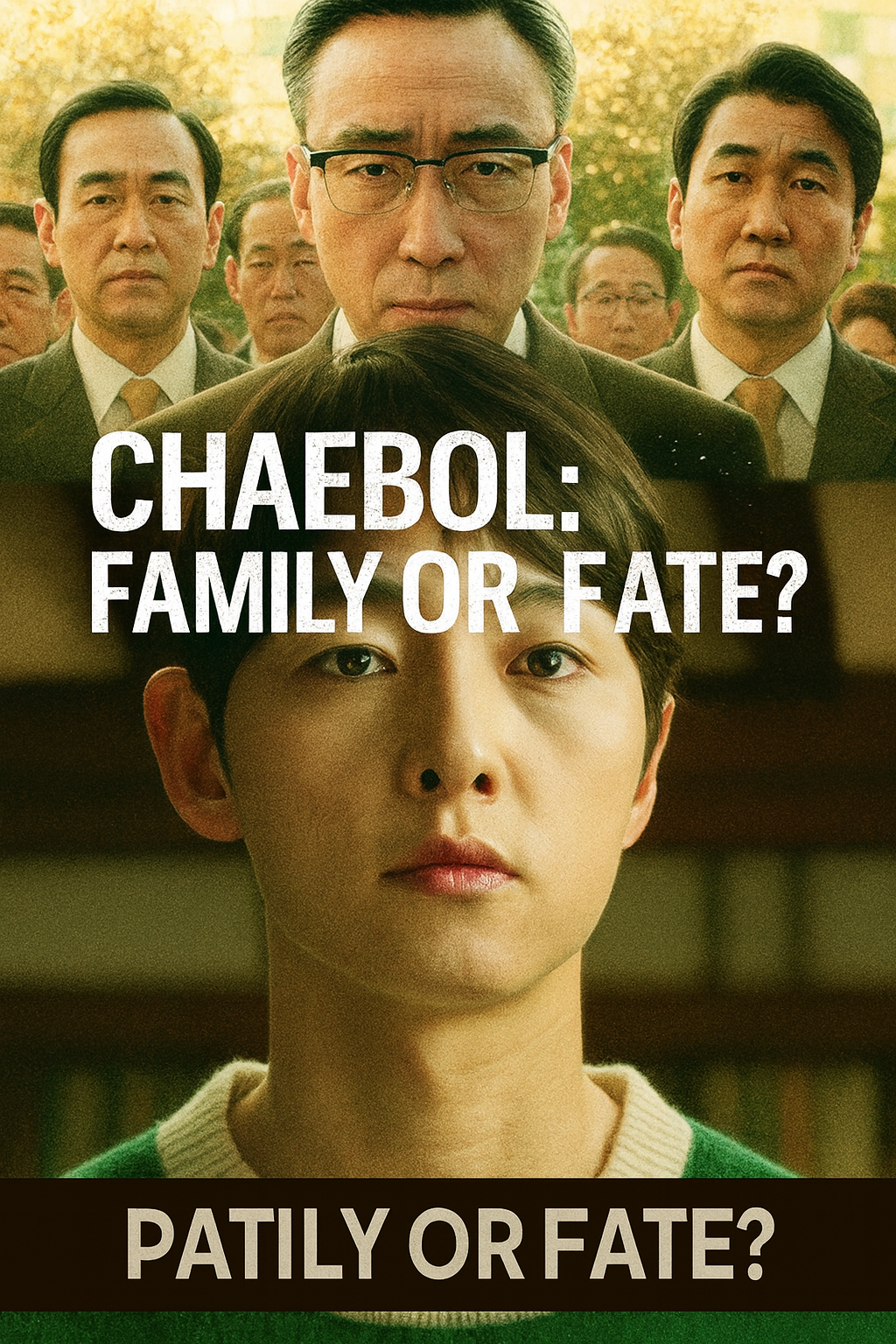
South Korea’s economic landscape has long been defined by the dominance of family-run conglomerates known as chaebols. On September 19, 2025, the Hankyoreh reported renewed debates over chaebol reform—an issue that has surfaced repeatedly in Korean politics, economics, and even culture. This latest wave of concern highlights both the contributions of these conglomerates to Korea’s rapid development and the structural problems that accompany such concentrated power.
The Legacy of Chaebols
Chaebols like Samsung, Hyundai, LG, and SK are not just corporations; they are institutions deeply woven into Korea’s national identity. Emerging in the aftermath of the Korean War, they became the engines of industrialization, leading the country from poverty to prosperity in just a few decades. By spearheading export-driven growth, chaebols helped Korea transform into one of the world’s leading economies.
Today, these conglomerates employ hundreds of thousands and drive much of Korea’s global competitiveness in fields like semiconductors, automobiles, batteries, and consumer electronics. Without question, chaebols have been central to the “Miracle on the Han River.”
The Controversy of Power Concentration
Yet success comes with baggage. Critics argue that chaebols are not simply powerful businesses but near-feudal dynasties. Leadership is often passed down through family bloodlines, sometimes regardless of professional merit. Complex ownership structures allow founding families to control vast corporate networks with relatively small equity stakes. This system, reformers say, distorts markets, limits competition, and creates unfair advantages.
The controversies are not just theoretical. Over the decades, chaebols have been at the center of high-profile corruption scandals involving tax evasion, political collusion, and accounting fraud. Public trust has been eroded further when some leaders convicted of crimes received pardons, often justified in the name of “economic stability.” For many ordinary Koreans, this reinforces the perception that chaebols exist above the law.
Reformers vs. Defenders
The current debate revolves around how to strike a balance. Reformers—politicians, academics, and civic groups—push for stronger regulations, greater transparency in governance, and stricter separation between ownership and management. They argue that without systemic change, Korea risks deepening inequality and stifling innovation from smaller firms.
On the other hand, defenders of the chaebol system emphasize pragmatism. They argue that these conglomerates remain the backbone of Korea’s economic might, particularly in an era of global competition. Breaking up or excessively regulating chaebols, they warn, could weaken national champions just as rivals in the U.S., Europe, and China push forward. Some also argue that family leadership preserves long-term vision and continuity, avoiding the short-termism that plagues Western corporations beholden to quarterly profits.
Public Opinion and Generational Divide
Public sentiment is divided, often along generational lines. Younger Koreans, facing high youth unemployment and stagnant social mobility, are more critical of chaebols. To them, the “golden spoon” privilege of chaebol heirs epitomizes a system that blocks equal opportunity. Older generations, however, tend to view chaebols with more pragmatism, recalling the jobs and prosperity they provided during Korea’s rise.
This generational tension makes reform both politically urgent and politically risky. Any government that moves too aggressively risks backlash from business leaders and market instability; yet doing nothing risks alienating younger voters increasingly frustrated with inequality.
A Question of Balance
Ultimately, the chaebol debate is not about dismantling Korea’s corporate giants but redefining their role in a maturing democracy. Reform does not necessarily mean breaking them apart; it could mean modernizing governance, ensuring fairer competition, and enforcing accountability more consistently. The challenge is to find a balance where chaebols remain engines of growth while also aligning more closely with democratic values of fairness, equality, and rule of law.
Conclusion
The September 19, 2025 Hankyoreh article makes clear that Korea’s chaebols are at a crossroads. They continue to deliver global success stories while embodying many of the structural problems that limit Korea’s next stage of development. The clash between reform and resistance is not likely to end soon, but its outcome will shape Korea’s economic and social fabric for decades.
What remains certain is this: Korea’s chaebols will not disappear overnight. The question is not whether they stay, but how they evolve—and whether they can adapt to a society increasingly unwilling to accept privilege without accountability.
Hashtags:
#KoreaEconomy #Chaebol #Samsung #Hyundai #LG #SK #CorporateReform #KoreanBusiness #DemocracyAndMarkets #GlobalCompetition


